
News
Recovering waste heat from industry: a key to the energy transition and environmental impact.
Published on September 1, 2026
The Environmental Emergency and the Role of Industry.
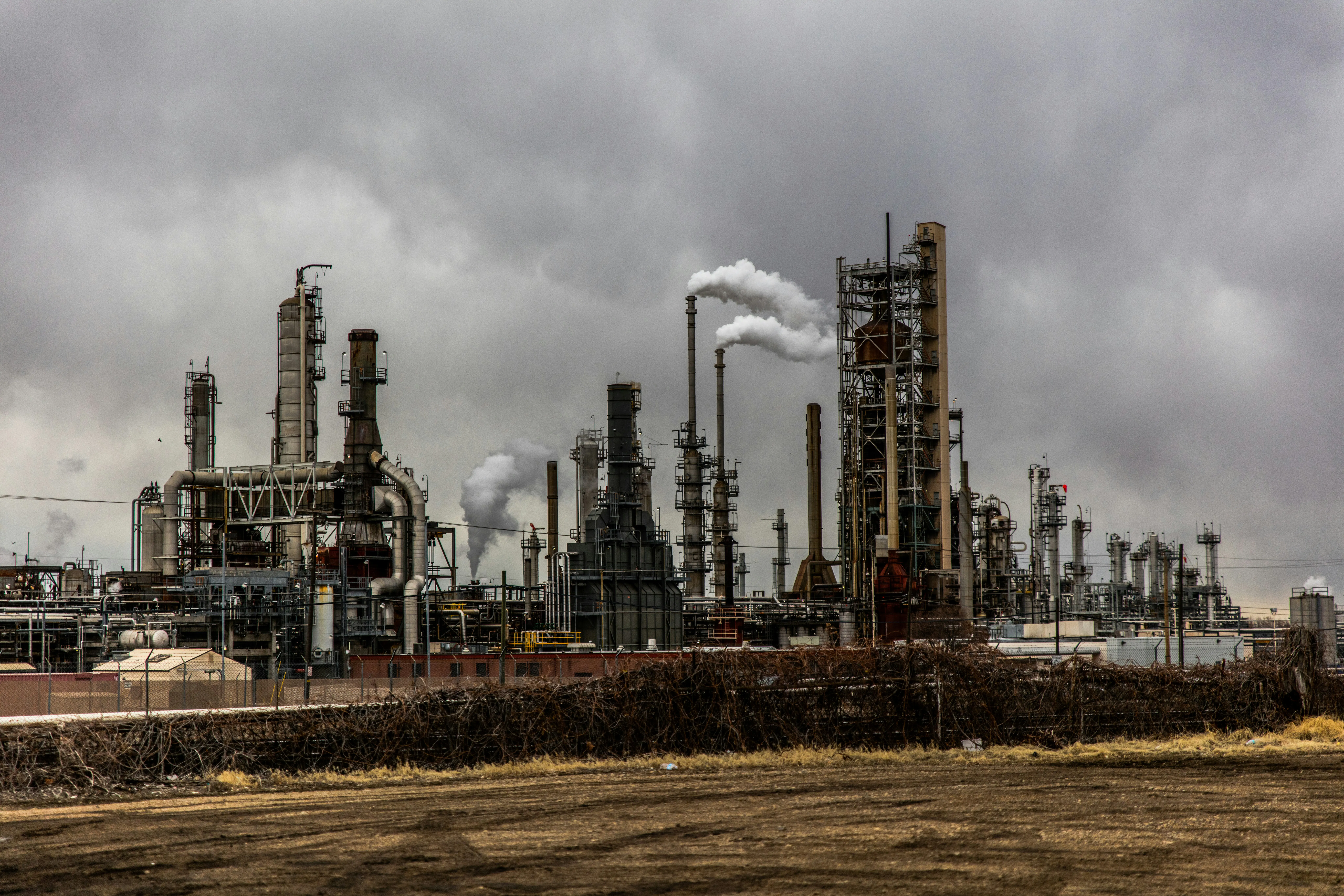
Today, we’re going to discuss a crucial topic: energy, the environment, and industrial waste management. Emissions released into the air, polluted water discharged into rivers, and industrial waste that isn’t recycled have a direct impact on our planet.
Global warming and industrial pollution are two of the most pressing challenges we face.
According to ADEME (French Agency for Ecological Transition), 17% of greenhouse gas emissions in France are directly linked to industry, which alone consumes 46% of the country’s total energy. These figures show just how significantly the industrial sector impacts our environment. But here’s the good news: solutions exist to reduce this impact, and the recycling of industrial waste is a key part of that solution.
The regulations: Europe and the Green Deal
In response to these challenges, Europe has implemented strict regulations to encourage companies to reduce their environmental footprint. Among these initiatives, the European Green Deal stands out as an ambitious plan aimed at achieving carbon neutrality by 2050.
This initiative includes measures to promote renewable energy, limit emissions of pollutants into the air, water, and soil, and encourage companies to adopt more sustainable practices. The goal is clear: to transform industry so that it becomes a key player in the energy transition.
For example, the European Energy Efficiency Directive requires industries to conduct regular energy audits and identify opportunities to reduce their energy consumption. These regulations are driving companies to explore innovative solutions—such as recovering waste heat—to meet these requirements while optimizing their costs.
In addition, the Carbon Border Adjustment Mechanism (CBAM) incentivizes companies to reduce their CO2 emissions by taxing imports of carbon-intensive products. This creates additional pressure to adopt clean and sustainable technologies.
Industrial Waste Recovery: Untapped Potential
But how can we achieve these goals? One of the most promising solutions is industrial waste recovery. According to ADEME, 70 million tons of waste are produced annually by industry in France, but only 29% is recovered. This means there is enormous potential to improve the management of this waste and turn it into a valuable resource.
Take the example of industrial waste heat. This thermal energy, which is often lost and released into the atmosphere, could be converted into electricity using innovative technologies such as PULSE, developed by ENTENT. According to estimates, recovering this waste heat on a global scale could meet the electricity needs of the entire European Union !
To better understand this, let’s consider a concrete example: a paper mill that releases steam at 120°C. Instead of letting this energy go to waste, a PULSE machine can capture it and convert it into electricity, thereby reducing the plant’s reliance on fossil fuels. This not only reduces CO2 emissions but also results in significant savings on energy bills.
Cleantech Technologies Serving Industry
This is where cleantech technologies come up. Solutions such as those developed by ENTENT make it possible to convert low-temperature waste heat (60–150°C) into electricity, thereby reducing energy losses and contributing to industrial decarbonization.
These innovations do more than just reduce industries’ environmental impact; they also enable them to achieve significant savings on their energy consumption. By adopting these technologies, companies can not only comply with environmental standards but also improve their energy efficiency and competitiveness.
For example, a cement plant that installs a waste heat recovery system can reduce its CO₂ emissions by several thousand metric tons per year while generating a portion of its own electricity. This offers a dual benefit: environmental and economic.
Furthermore, these technologies are scalable and can be adapted to various types of industries, from metallurgy to agri-food and the chemical industry.
It’s not just industry that is affected by these issues related to waste heat. In fact, power plants release enormous amounts of heat, particularly those that run on fossil fuels.
Among newer technologies, data centers are a key area of focus, as the colossal amount of heat they release is currently at a temperature that is too low to be recovered.
This makes PULSE a versatile solution capable of meeting the diverse needs of many different industries.
Challenges to mass adoption.
Several barriers exist, such as the initial investment cost, a lack of awareness among manufacturers, and the technical complexity of integrating these systems into existing processes.
However, financial incentives, such as government grants or energy-saving certificates (CEE), can help overcome these obstacles. Furthermore, the return on investment (ROI) for these projects is often attractive, with payback periods of 3 to 5 years in many cases.
For example, in France, the EEC program allows companies to finance part of their energy recovery projects through public subsidies. These mechanisms make cleantech technologies more accessible and cost-effective for manufacturers.
The Importance of Individual and Collective Action
While businesses have a major role to play in the energy transition, we must not forget the importance of individual action. Everyone, in their own way, can help build a more sustainable world. Whether by reducing energy consumption, adopting eco-friendly practices, or supporting local initiatives, every action counts.
For example, engineers and industry executives can promote the adoption of cleantech technologies within their organizations. Citizens, for their part, can support public policies that promote the energy transition or choose products from companies committed to sustainable practices.
Furthermore, collaborations between innovative startups like ENTENT and major industrial groups can accelerate the deployment of these solutions. By working together, these stakeholders can pool their expertise and resources to maximize the impact of their actions.
Act Now for a Sustainable Future
The recovery of industrial waste—particularly waste heat—presents a tremendous opportunity to reduce industry’s environmental impact while meeting growing energy needs. Through innovative technologies and incentive-based regulations, we can accelerate the energy transition and build a more sustainable future.
→ Want to know how your company can achieve its energy transition by decarbonizing its processes? Contact us here.
Want to find out if your industrial site can recover its low-temperature waste heat?
The feasibility pre-study is free.